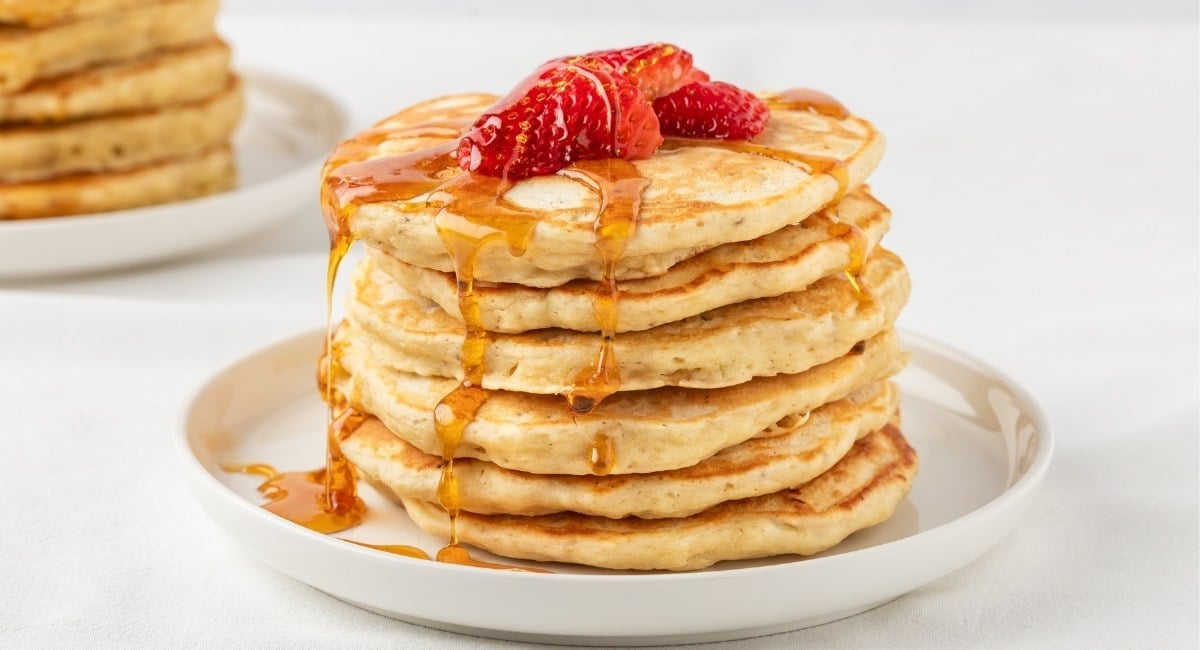
The quest for a breakfast that's both nutritious and utterly delicious often leads us down the path of protein pancakes. We love the idea: a stack of warm, golden flapjacks packed with muscle-building protein, keeping us full and energized. However, the reality can often be a bit of a letdown. Instead of the light, airy texture we dream of, many homemade protein pancakes turn out dense, rubbery, or flat. But what if we told you that perfectly fluffy protein powder pancakes are not just a myth, but an achievable reality?
This article dives deep into the science and art of creating those coveted cloud-like protein pancakes, transforming your breakfast routine from a chewy chore into a culinary delight. Forget dense discs; get ready for stacks that rise beautifully, tantalize your taste buds, and deliver all the protein punch you need. We'll uncover the secrets, from choosing the right ingredients to mastering the cooking technique, ensuring every bite is as satisfying as it is healthy.
The Elusive Fluff: Why Protein Pancakes Often Fall Flat
Traditional pancakes owe their delightful fluffiness to a combination of gluten from wheat flour, the leavening power of baking powder or soda, and often, the richness of dairy and eggs. These elements work in harmony to create a delicate structure filled with air pockets.
When protein powder enters the mix, it changes the game significantly. Protein powders, especially those with high protein content, are highly absorbent. They soak up liquid quickly, often leading to a much thicker, denser batter than you'd expect. Furthermore, many protein powders lack the structural components of flour (like gluten) that help trap gas and create that airy texture. This is why simply swapping a portion of flour for protein powder in a standard recipe often results in a less-than-ideal pancake.
The good news is that with a few intelligent adjustments and a keen understanding of how ingredients interact, you can absolutely achieve fluffy protein powder pancakes. It’s all about balance, technique, and choosing your components wisely. If you're looking for more general tips on protein pancakes, including common pitfalls and basic recipes, you might find fluffy protein powder pancakes - Article 1 a valuable resource.
Unlocking the Airiness: Key Ingredients and Ratios for Fluffy Protein Pancakes
Achieving that coveted lightness in your protein pancakes starts with a careful selection and thoughtful balance of ingredients. Each component plays a crucial role in the final texture.
1. The Right Protein Powder Matters
- Whey Protein Isolate (WPI): Often the best choice for fluffiness. WPI is very pure, low in carbs and fats, and mixes smoothly. Its quick absorption needs careful liquid adjustment.
- Whey Protein Concentrate (WPC): Also works well, often lending a slightly creamier texture due to higher fat and lactose content.
- Casein Protein: Tends to create a much thicker, denser batter due to its slow-digesting nature. If using, you'll need significantly more liquid and likely a lighter flour.
- Plant-Based Proteins (Pea, Rice, Soy, Hemp): These can be more challenging. They often have a grittier texture and can absorb liquid very differently. A blend of plant proteins often works better than a single source. You might need more leavening and liquid, and potentially a very light, starchy flour to counteract the density.
- Tip: Avoid "gourmet" or "meal replacement" protein powders that are heavily fortified with fibers or thickeners, as these can hinder fluffiness.
2. The Role of Flour and Binders
While protein is the star, a small amount of an appropriate flour or binder is essential for structure.
- Oat Flour: A fantastic option. It's naturally gluten-free (if certified), adds a wholesome flavor, and provides a good structure without being too heavy.
- Almond Flour: Great for low-carb options, but use sparingly as it can make pancakes dense if not balanced with enough liquid and leavening.
- Whole Wheat Flour / All-Purpose Flour: A small amount of either can provide the necessary gluten structure for elasticity and trapping air, even in protein-heavy recipes.
- Starch (Cornstarch, Tapioca Starch): A tiny pinch (1-2 tsp) can sometimes help lighten the texture, especially with plant-based proteins, by interfering with protein coagulation.
3. Leavening Agents: The Secret to Rise
These are non-negotiable for fluffiness. Always ensure your baking powder and baking soda are fresh.
- Baking Powder: The primary leavening agent. Double-acting baking powder works best, as it creates lift both when mixed with liquid and when heated.
- Baking Soda (Bicarbonate of Soda): Needs an acid to activate (like buttermilk, lemon juice, vinegar, or even some yogurts). If your recipe includes an acidic component, baking soda will give an extra boost.
4. The Liquid Component
This is where many protein pancake recipes go wrong. Protein powder can absorb a LOT of liquid.
- Milk (Dairy or Non-Dairy): Almond milk, oat milk, or cow's milk all work. The key is to add it gradually until you reach the right consistency – thicker than regular pancake batter, but still pourable.
- Buttermilk: Its acidity reacts with baking soda for extra lift and a tender crumb.
- Water: Can be used, but milk usually provides a better flavor and texture.
- Tip: Don't be afraid to add more liquid than you think! The batter should be able to flow off a spoon easily, but not be watery.
5. Eggs for Structure and Moisture
- Whole Eggs: Provide both richness and binding. The fat in the yolk can also contribute to a tender texture.
- Egg Whites: Whipping egg whites to soft peaks and gently folding them into the batter is a professional trick for ultimate fluffiness, creating a meringue-like lift. This is an advanced technique but yields incredible results.
Technique Matters: Mastering the Mix and the Flip for Fluffy Protein Powder Pancakes
Even with the perfect ingredients, technique can make or break your protein pancake quest.
1. Separate Wet and Dry
This classic pancake method is crucial. Whisk all your dry ingredients together thoroughly in one bowl. In a separate bowl, whisk your wet ingredients. This ensures even distribution of leavening agents and prevents overmixing later.
2. The Gentle Mix
Pour the wet ingredients into the dry. Now, mix just until combined. Lumps are your friends! Seriously, a slightly lumpy batter is better than an overmixed one. Overmixing develops any gluten present (even in oat or whole wheat flour to a small degree) and knocks out all the precious air bubbles trying to form, leading to tough, flat pancakes. A few quick stirs are all you need.
3. Let it Rest
Once mixed, cover the batter and let it rest for 5-10 minutes at room temperature. This allows the protein powder and flour to fully hydrate, the leavening agents to begin activating, and any gluten to relax. This step is surprisingly important for achieving fluffy protein powder pancakes.
4. Perfect Griddle Temperature
Heat your griddle or non-stick pan over medium heat. Test it with a few drops of water – they should sizzle and evaporate within a couple of seconds. Too hot, and the outside will burn while the inside stays raw. Too cool, and the pancakes will spread too much and be flat.
5. The Art of the Flip
- Pour your batter in consistent sizes. Avoid pressing down on the pancakes as they cook, as this deflates them.
- Wait for the magic: Look for bubbles appearing on the surface, and the edges to start setting and looking dry. This indicates it's time to flip.
- One Flip Wonders: Resist the urge to flip multiple times. One confident flip is all you need to finish cooking the other side and maintain maximum fluffiness.
For more advanced techniques and troubleshooting specific issues you might encounter, be sure to check out fluffy protein powder pancakes - Article 2.
Beyond the Basic Batter: Flavor Variations and Topping Ideas
Once you've mastered the basic fluffy protein pancake, the possibilities for flavor are endless!
Flavor Boosters for the Batter:
- Spices: A pinch of cinnamon, nutmeg, or pumpkin spice blend.
- Extracts: Vanilla, almond, or lemon extract.
- Citrus Zest: Lemon or orange zest adds a bright, fresh note.
- Cocoa Powder: For chocolate protein pancakes (you might need a tiny bit more liquid).
- Mashed Fruit: Ripe mashed banana, pumpkin puree, or applesauce can add natural sweetness, moisture, and flavor. Adjust liquid accordingly.
Delicious Mix-ins:
- Fresh or frozen berries (blueberries, raspberries).
- Mini chocolate chips (dark chocolate for a healthier option).
- Chopped nuts (walnuts, pecans).
- Shredded coconut.
Irresistible Toppings:
- Fresh fruit (berries, sliced banana, kiwi).
- Greek yogurt or cottage cheese (for extra protein!).
- Sugar-free syrup or a drizzle of pure maple syrup.
- Nut butter (almond, peanut, cashew).
- Homemade berry compote.
- A dollop of protein-infused whipped cream.
Common Pitfalls and How to Avoid Them
Even with the best intentions, things can go awry. Here’s a quick guide to common problems and their solutions:
- Problem: Pancakes are flat and dense.
- Solution: Check your baking powder/soda expiry date. Ensure you're not overmixing. Add a bit more liquid if the batter is too thick.
- Problem: Pancakes are rubbery.
- Solution: Almost always due to overmixing. Mix just until combined. Could also be too much protein powder in relation to other ingredients.
- Problem: Pancakes burn easily on the outside but are raw inside.
- Solution: Your griddle is too hot. Reduce the heat and cook them slowly.
- Problem: Pancakes stick to the pan.
- Solution: Ensure your pan is well-oiled or greased before each batch. Your pan might not be hot enough when you add the batter.
- Problem: Batter is too thick/thin.
- Solution: Adjust with liquid (milk/water) or a small amount of extra dry ingredients (flour/protein powder) until it reaches a thick but pourable consistency. Different protein powders absorb liquid differently, so always eyeball it.
Conclusion
Creating truly fluffy protein powder pancakes might seem like a culinary challenge, but with the right ingredients and a few careful techniques, it's entirely within your reach. Remember to choose your protein powder wisely, balance your dry and wet ingredients for the perfect consistency, and above all, avoid the urge to overmix. A gentle hand and patience are your best tools for achieving that desirable airy texture.
Now, go forth and experiment! With these tips, you're well-equipped to transform your breakfast and enjoy stacks of delicious, nutritious, and perfectly fluffy protein pancakes any day of the week. Happy cooking!
